JD Law Clinic Faculty Q&A - Khalida Jackson
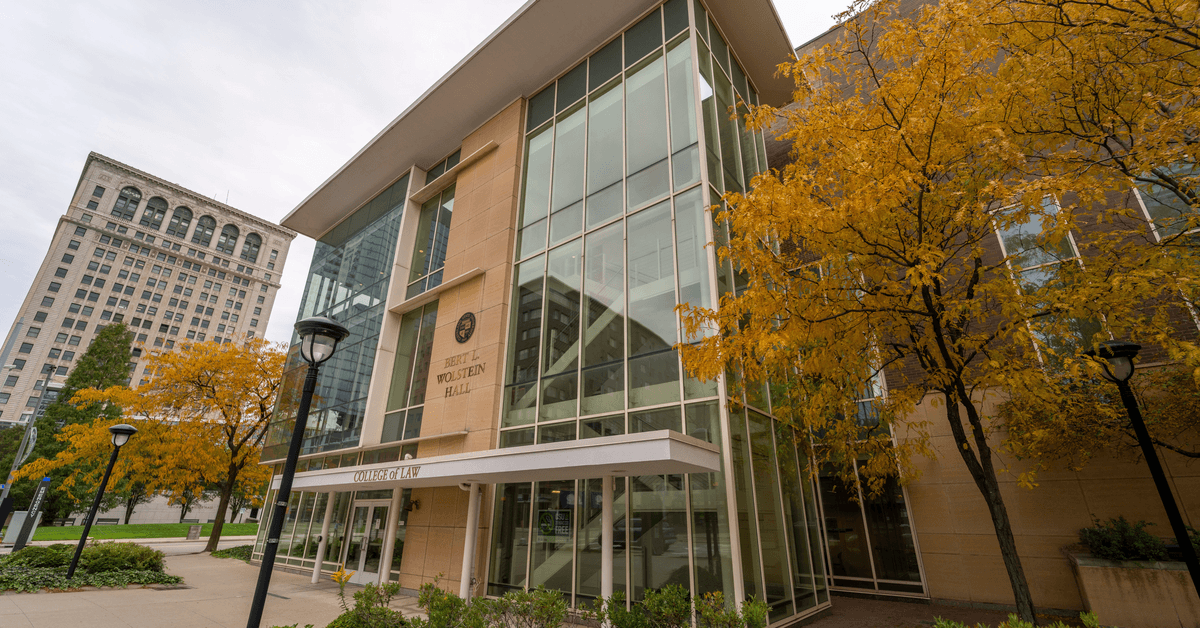
Gaining real experience is a vital component of the CSU Online J.D. Program. One way is through the CSU Law Clinics. CSU Law clinics provide the opportunity to engage with real clients and serve the community, allowing you to participate in a case from intake to resolution under the guidance of experienced faculty mentors.
Hear from the Director of the Pardon, Clemency and Reentry Clinic, Khalida S. Jackson, about her journey in law, her experience with the clinical process, and what online students can expect in the Pardon Clemency and Reentry clinic.
What first inspired you to pursue a career in law, and how did that path lead you to clinical teaching?
I decided to become a lawyer shortly after visiting New Orleans six months after Hurricane Katrina. Seeing the devastation, the destruction of entire neighborhoods, and the profound impact on families. It deeply moved me and fueled my desire to help others through the legal profession.
After more than ten years in litigation and the courtroom, I began to seek a new way to use my experience. I had always felt called to support and mentor future lawyers, and clinical teaching became the perfect intersection of practice and education. It allowed me to draw directly from real-world experience while helping students develop the skills they need to serve clients effectively.
What changes have you seen in the legal profession that you think law schools must respond to, especially for working professionals?
One of the most important things students must understand is that the practice of law is very different from law school. Law is a profession, but it is also a business, and new lawyers must be practice ready. That means knowing the law, understanding procedure and—just as importantly—knowing what you do not know.
The profession requires a willingness to learn continuously, to be punctual, prepared and professional always. There are few accommodations in practice, and the outcome of a client’s case can hinge on preparation and competence. Law schools must emphasize these realities, particularly for working professionals who are balancing multiple responsibilities but will still be held to the same professional standards.
Can you describe the skills courses you teach and how they grew out of your clinics?
In my skills courses, I focus on teaching students how to be client-centered advocates and effective storytellers. I emphasize understanding the client’s lived experience and translating that story into persuasive advocacy grounded in law and facts.
Time management is also a critical component. These courses are deeply informed by what I have learned—and continue to learn—as a public-sector practitioner and litigator. Much of the instruction is shaped by real courtroom experiences: the challenges, mistakes, hard lessons and “battle stories” that no textbook can fully capture.
How have your skills classes been adapted for online students who are not participating in an externship? What experiences do you hope students walk away with from these classes?
We began adapting our clinic model last year when we enrolled two J.D. Online (JDO) students. That experience provided a strong foundation for developing a deliberate, practice-oriented approach to skills instruction that translates effectively across modalities.
For those JDO students, we designed our skills courses to remain highly interactive and grounded in real-world advocacy. We incorporated live, synchronous sessions focused on simulated client interviews, counseling exercises and case strategy discussions, alongside asynchronous modules that allowed students to build doctrinal and procedural knowledge at their own pace.
Importantly, we were able to integrate those students into meaningful aspects of the clinic’s active work. They participated in preparing clients for pardon hearings, including helping clients shape and practice their personal narratives and advising on how to effectively present their stories before decision-makers. In addition, the JDO students worked on discrete components of live cases, such as record review, legal research and narrative development, and were fully included in case rounds and team discussions.
Across formats, our goals remain consistent. We want students to leave the clinic with:
- Strong, transferable lawyering skills, including interviewing, counseling, legal writing and narrative advocacy
- Hands-on experience preparing clients for high-stakes advocacy moments, such as pardon hearings, and an understanding of how to effectively support clients in those spaces
- A deep commitment to client-centered representation, grounded in empathy, cultural humility and ethical responsibility
- A critical understanding of the systemic barriers facing returning citizens, along with a sense of their role in advancing fairness and second chances
Our early experience with JDO students confirmed that these outcomes are achievable in an online environment, and it has shaped a more intentional and robust model as we expand to a full online cohort.
Many Online J.D. students balance full-time jobs and family commitments. How were these skills courses designed with those realities in mind?
The courses are intentionally designed to prepare students for the realities of legal practice, where balancing professional obligations with personal and family responsibilities is the norm rather than the exception. The structure reinforces practical skills like organization, prioritization and time management.
For many students, the courses help strengthen the skills they already use daily, while also showing how those skills translate directly to legal practice. The goal is not to ignore students’ realities, but to prepare them to succeed despite competing demands.
What core legal and professional skills do you hope students develop, and how do these courses help bridge the gap between law school and real-world practice after graduation?
I want students to develop strong professional judgment, confidence in client-facing roles, effective communication skills and the ability to manage cases responsibly and ethically. This includes learning how to prepare thoroughly, ask the right questions, meet deadlines and respond professionally under pressure.
These courses help bridge the gap between theory and practice by exposing students to real expectations: representing clients, managing workloads and understanding that their decisions have real consequences. By the time students graduate, they should not only understand the law, but also how to function as competent, ethical practitioners from day one.
What part of the clinical experience do you look forward to most each semester?
I most look forward to watching students engage critically with the legal system, learning how it operates in practice and finding their voices. I value when students speak openly about what they find troubling, unjust or ineffective, and when they begin articulating what they would like to see changed.
These moments signal growth not just as students, but as future advocates who understand their role in shaping the profession and the system itself.
Any words you’d like to share with someone considering CSU’s Online J.D. program?
CSU’s Online J.D. program is an excellent choice for students who are serious about becoming practice-ready lawyers while balancing real-life commitments. The program combines academic rigor with practical training and access to faculty who understand the realities of legal practice.
If you are disciplined, motivated and willing to engage fully, this program will prepare you not just to pass exams, but to serve clients and communities with competence, compassion and professionalism.
Cleveland State University’s Online JD program is one of the few ABA-accredited online Juris Doctor programs in the country, with competitive tuition rates for both in- and out-of-state students.
Achieve your goal of earning a J.D. degree online in as little as three years and five months. Get started today and take the next step in your career in law.